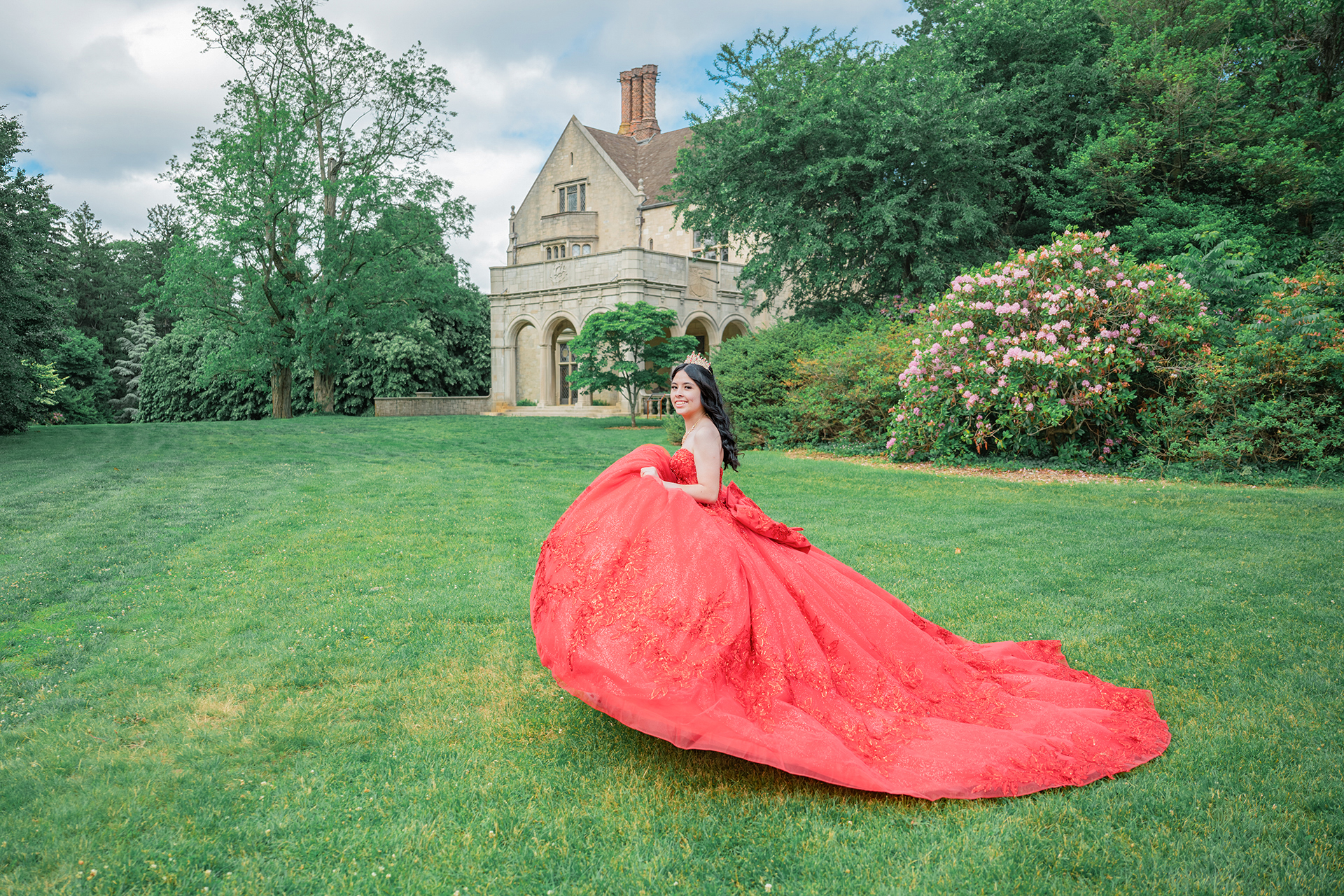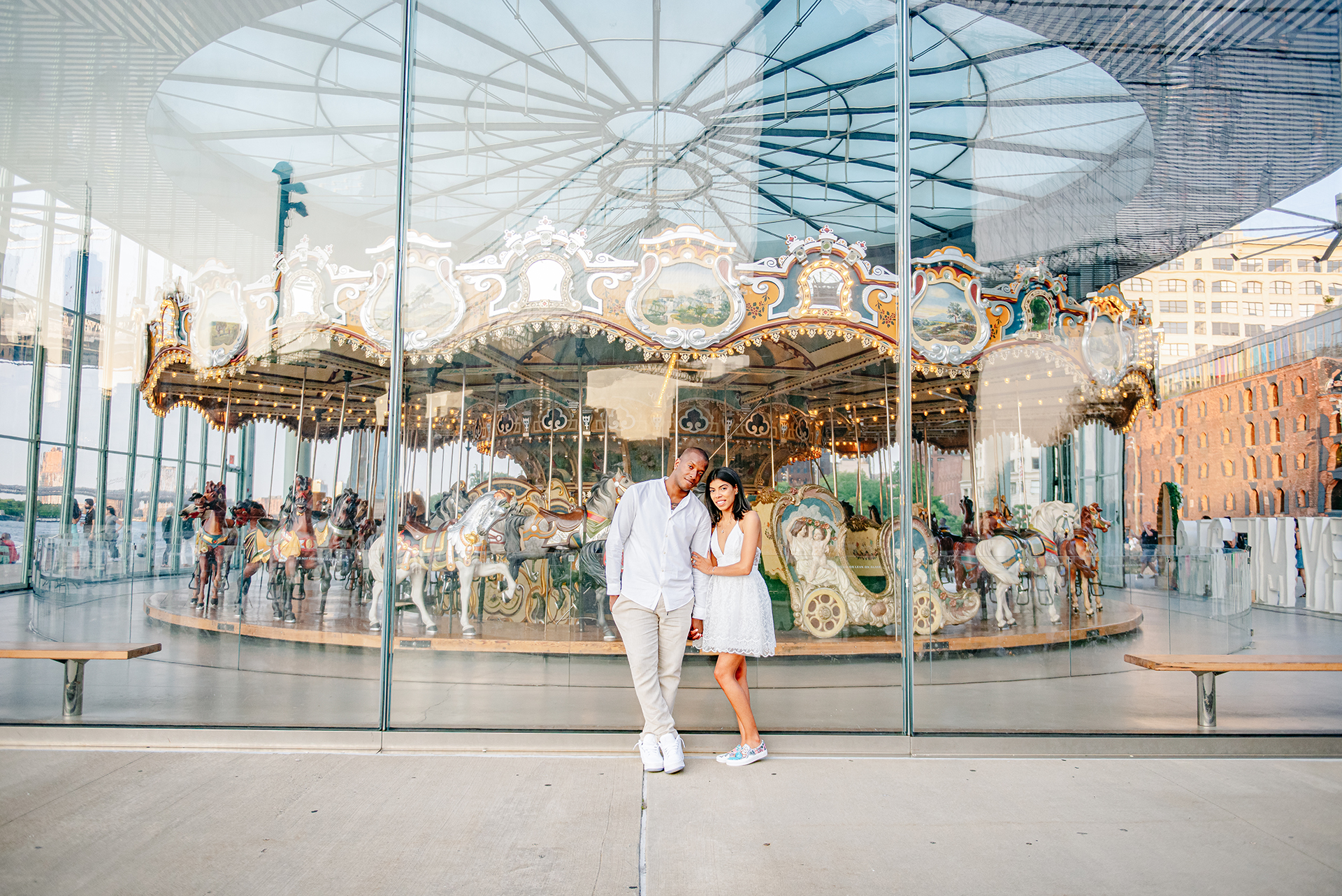
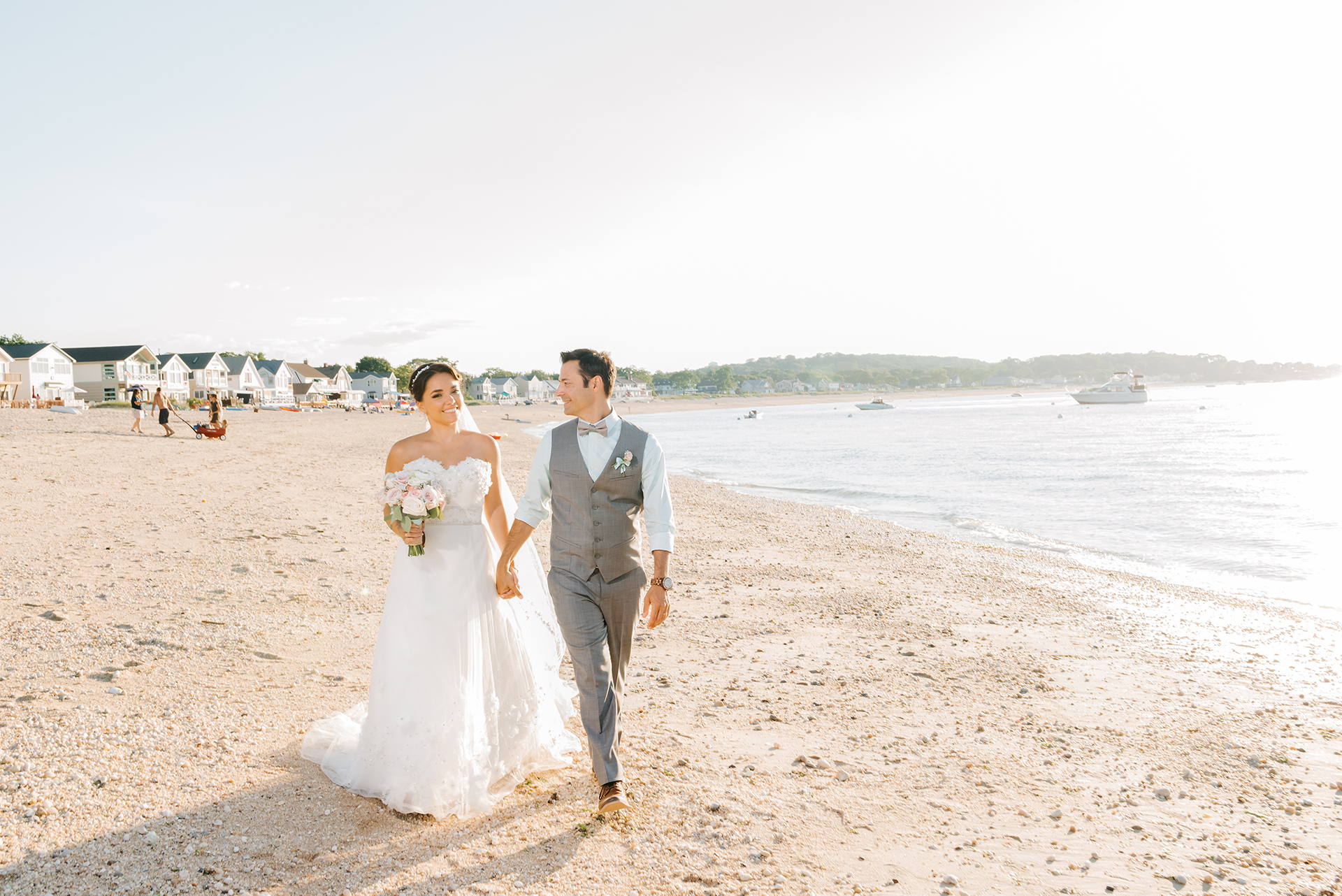
Almost every couple who sits down with us says some version of the same sentence: we don’t want it to feel posed. They want the photographs to look like the day actually happened — the laugh in the middle of a toast, a mother’s hand on a shoulder, the fifteen seconds after the ceremony when nobody is performing yet.
That instinct is right, and the industry has finally caught up to it. But “candid” is one of the most misunderstood words in wedding photography, and hiring a documentary wedding photographer on Long Island takes more than finding someone whose Instagram looks unposed. After more than 25 years photographing weddings across Nassau County, Suffolk County and New York City, here is what documentary coverage actually is, what it costs you when it’s done badly, and the one 2026 trend quietly pulling against it.
The short answer
- Documentary wedding photography means capturing moments as they happen, through anticipation and positioning, instead of directing them.
- Candid describes a photo. Documentary describes the coverage. They are not the same thing.
- It needs more hours, not fewer — the unguarded moments live at the edges of the day.
- You should still book 20–30 minutes of family formals. Those are the photographs families care most about in ten years.
- In 2026, 40% of couples also want social-first content, which requires direction — so it needs its own window.
What couples mean when they say “candid”
When a couple tells us they want candid wedding photos, they almost never mean they want no direction. What they mean is that they don’t want to feel watched. They don’t want to spend their reception being repositioned. They don’t want to open their gallery and find forty variations of the same chin-down, hand-on-hip pose they’ve seen on every other wedding blog.
Documentary wedding photography — sometimes called photojournalistic wedding photography — is the discipline of getting real moments without interrupting them. The photographer reads the room, anticipates where the moment is about to happen, and is already standing in the right place when it does, instead of calling for it after the fact. Done well, the couple barely registers that we were there. Done badly, it’s a photographer at the back of the room hoping something happens.
Documentary vs. traditional coverage, side by side
| Documentary | Traditional / Posed | |
|---|---|---|
| Who controls the moment | The day does | The photographer does |
| Main skill | Anticipation and positioning | Posing and lighting control |
| Hours needed | More — coverage starts early | Fewer, concentrated blocks |
| Best for | Emotion, guests, story | Family groups, detail, formals |
| Biggest risk | Missed family portraits | A gallery that feels staged |
Most good weddings are not one or the other. They are a documentary day with a short, well-run posed block inside it.
What the 2026 data actually says
Zola’s First Look Report for 2026, based on a survey of more than 11,500 couples marrying this year, notes that documentary photography “is having a moment.” That matches what we hear in consultations every week.
But the report’s larger photography finding is the one worth planning around: 40% of those couples are asking their professional photographers and videographers to capture social-first content as part of the shot list, and another 21% plan to make that content themselves.
Read those two findings together and you get the real tension of a 2026 wedding day. Couples want coverage that is unposed and invisible — and they also want vertical, immediate, postable content, which by its nature requires someone to stop the moment, turn the couple toward a phone and direct it. Those two things pull in opposite directions, and if nobody plans for it, the day absorbs the difference.
Documentary is a skill, not a setting
There’s a myth that shooting documentary-style is the easy option — that the photographer simply stops directing and starts observing. It’s the opposite. Posing gives a photographer control over light, background and expression. Documentary work gives up all three and has to compensate with judgment.
Anticipation over reaction
The photograph of a father seeing his daughter for the first time is won thirty seconds before he turns around, by being on the correct side of the room. If you’re reacting, you’ve already missed it. This is the clearest difference between a photographer with hundreds of weddings behind them and one with five.
Coverage that starts early enough
The unguarded material is almost all in the margins of the day — getting ready, the quiet stretch before the ceremony, the end of the night. That’s why we start coverage roughly an hour and a half before the couple leaves the getting-ready location, rather than arriving when the dress goes on. Compressed hours produce posed galleries, because there is no time left for anything else.
Two sets of eyes, one style
A documentary approach means accepting you cannot be everywhere. While one of us is with the couple, moments are happening in the other room. Our photography and cinematography teams work under one roof and coordinate on the day precisely so the coverage overlaps instead of duplicating — more on how that works on our wedding cinematography page.
What documentary coverage can’t do
We’ll say this plainly, because a lot of photographers won’t: a purely documentary wedding gallery will disappoint you in one specific way. You will still want the portrait of you with both sets of parents, and the one with your grandmother, and the full wedding party. Those photographs do not happen on their own, and in ten years they are frequently the ones families care most about — particularly the ones with people who are no longer here.
The answer isn’t choosing a side. It’s containing the posed portion: a tight, well-run twenty to thirty minutes of family and wedding-party formals with a shot list agreed in advance, so the rest of the day can be left alone. Couples who skip that planning don’t end up with a more candid wedding — they end up with formals dragging into cocktail hour while everyone waits. Our wedding day timeline guide walks through how long each block really takes.
Where social-first content fits
If you’re one of the 40% who want same-day, postable content, decide before the wedding who is producing it and when it gets shot. Content capture and documentary coverage can absolutely coexist, but not in the same fifteen minutes. We carve out a short, deliberate window for it rather than letting it bleed through the day — otherwise every genuine moment ends up with a phone in the frame.
We wrote a full breakdown of that decision in wedding content creator vs. cinematographer, including where ceremony audio draws the line between the two.
How to hire a documentary wedding photographer on Long Island
- Ask to see a full gallery, not a highlight reel. Anyone can assemble twenty great candid frames from five years of weddings. One complete wedding, start to finish, tells you whether the moments are consistent or lucky.
- Look at the in-between frames. Guests reacting during the ceremony, a parent’s face during the toast, the dance floor at 10pm. That’s where documentary skill shows.
- Ask how they handle family formals. A photographer who says they don’t do them at all is making the day harder for you, not more authentic.
- Ask what time they arrive. If the answer is tied to the ceremony rather than to when getting-ready begins, expect a posed gallery.
- Ask whether photo and video are the same team. Two vendors meeting for the first time on your wedding day will get in each other’s frames.
- Ask who is actually shooting your wedding. Some studios book under one name and send whoever is free.
More of these are answered on our FAQ page, and you can see how this plays out across full weddings in our portfolio. If you’re still deciding when to start looking, we’ve also written on the questions couples ask before booking.
Frequently asked questions
What is documentary wedding photography?
Documentary wedding photography is an unposed, photojournalistic approach in which the photographer anticipates and records moments as they happen rather than directing them. It relies on positioning, timing and anticipation instead of posing, and produces a gallery that reads as a narrative of the day rather than a series of portraits.
Is candid the same as documentary photography?
Not quite. “Candid” describes how a single photograph looks — unguarded and unposed. “Documentary” describes how the entire day is covered. A photographer can produce a handful of candid frames while still shooting a mostly posed wedding; a documentary approach shapes the coverage from arrival through the end of the night.
Will I still get posed family photos?
Yes, and you should. We recommend a focused twenty to thirty minute block for family and wedding-party portraits with the groupings agreed in advance. Containing the formals into one efficient window is what allows the rest of the day to stay unposed.
Can documentary coverage and social media content work on the same wedding day?
Yes, with planning. Social-first content requires direction and a phone in the frame, so it needs its own short window rather than running alongside documentary coverage. Deciding in advance who captures it and when keeps it from interrupting the unposed moments.
How many hours of coverage does a documentary approach need?
More than a posed one. The unguarded moments cluster at the edges of the day — getting ready and late in the reception — so coverage that begins roughly an hour and a half before the couple leaves the getting-ready location and runs through the end of the night gives a documentary gallery room to exist.
Do you photograph documentary-style weddings outside Long Island?
Yes. We photograph weddings across Nassau County, Suffolk County, all five boroughs of New York City, Westchester and the Hudson Valley, and we travel for destination weddings. Coverage is available in English and Spanish.
Photographing Long Island and NYC weddings the way they happen
JS Visions is led by Jose Serrano, who has photographed weddings for over 25 years from the studio in Garden City. We cover Nassau County, Suffolk County and New York City, in English and Spanish, with photography and cinematography produced by one team under one roof.
If you want coverage that looks like your wedding rather than a catalog, get in touch and we’ll walk through your timeline together.