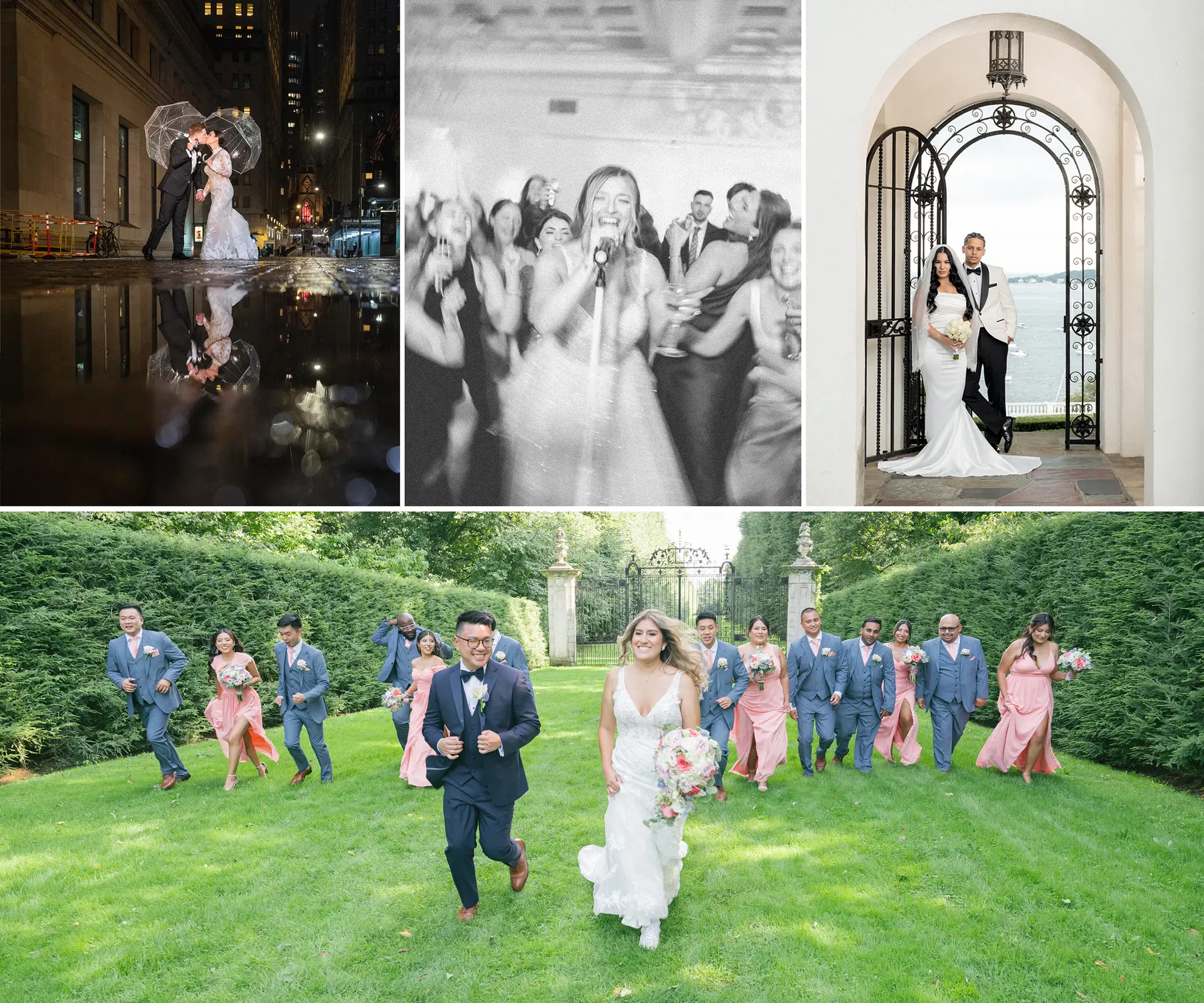

Your wedding photographer’s talent matters — but without the right preparation, even the best photographer can miss what matters most to you.
The wedding day information form your photographer sends you is the single most important document for ensuring flawless wedding photos.
At JS Visions Photography & Cinematography, we’ve photographed hundreds of weddings across Long Island, NYC, and the Tri-State area. And if there’s one thing we’ve learned, it’s this: the most stunning wedding galleries don’t happen by accident. They happen because of what takes place before the wedding day — specifically, a detailed wedding day information form.
What Is a Wedding Day Information Form?
A wedding day information form is a comprehensive document that your photographer should provide well in advance of your wedding. Think of it as the blueprint for your entire day — not just for photos, but for the flow, the logistics, and the moments that matter most to you and your families.
It’s not a simple shot list. It’s a planning tool that ensures your photographer arrives fully prepared to capture every meaningful moment without hesitation, confusion, or guesswork.
Why This Form Matters More Than You Think
We hear stories all the time from couples who had a frustrating photography experience at a previous event — missed family groupings, forgotten special requests, or portraits that never happened because no one communicated the details in advance.
The truth is, your photographer can only capture what they know about. Without a structured form, critical details fall through the cracks — especially during the fast-paced, emotional flow of a wedding day. This is one of the reasons we wrote about 3 things every couple should know before booking a wedding photographer — preparation starts long before the wedding day.
Family Dynamics Are Complicated — Your Photographer Should Know
Every family is different. Are the bride’s parents divorced? Should they be photographed together or separately? Are there stepparents, remarried parents, or blended families involved? Do the grandparents need to be photographed early before the reception goes late?
These are sensitive details that need to be discussed before your wedding day — not figured out on the spot while your guests are waiting and your timeline is slipping. Our wedding day information form captures all of this for both the bride’s and groom’s side, so there are no awkward surprises during family portraits.
Every Wedding Has a Unique Timeline
No two weddings run the same way. Your form should map out:
- Bride’s and groom’s getting-ready locations — including start times, addresses, and departure times
- First look plans — Will you see each other before the ceremony? If so, where?
- Ceremony details — Location, start time, and length
- Additional photo locations — Parks, beaches, landmarks — with start and end times, and whether family will be joining
- Reception logistics — Cocktail hour, reception start and end times, and venue details
When your photographer has this information in advance, they can plan their coverage around your day — not the other way around. For a deeper look at how a well-planned timeline shapes your wedding photos, read our complete wedding photography timeline guide.
The Bridal Party and Beyond
Your form should also include the full bridal party: maid of honor, best man, number of bridesmaids, groomsmen, flower girls, and ring bearers. This ensures group photos are organized and efficient — no one gets left out, and no one stands around waiting.
Beyond that, details like the number of guests attending, whether you want parent table photos, and whether you’d like extended family portraits (aunts, uncles, cousins) should all be addressed ahead of time.
Special Requests Deserve a Dedicated Space
Every couple has moments that are uniquely important to them — a photo with a college roommate, a late grandparent’s chair at the ceremony, a surprise gift exchange. Our form includes a dedicated special requests section so nothing personal or meaningful gets overlooked. These are often the photos couples cherish the most, and they’re the easiest to miss without proper planning.
The Role of a Photo Assistant vs. a Second Photographer
This is something many couples ask us about, and it’s an important distinction to understand when booking your wedding photographer.
A photo assistant is not a photographer. At JS Visions, our assistants specialize in lighting — managing flashes, reflectors, and light placement to ensure consistently beautiful images throughout the day. They also play a critical role in keeping track of the wedding day information form during the event, making sure every family grouping, bridal party combination, and special request is checked off as the day unfolds.
A second photographer, on the other hand, is an additional shooter capturing moments from a different angle or location simultaneously — for example, photographing the groom’s preparation while the lead photographer is with the bride.
Both roles add tremendous value, but they serve very different purposes. Understanding this distinction will help you set the right expectations and choose the right wedding photography package for your wedding. If you’re exploring what packages typically include and what to expect pricing-wise, check out our guide on Long Island wedding photography & cinematography prices in 2026.
What If Your Package Doesn’t Include an Assistant?
At JS Visions, whether your collection includes an assistant or not, every client receives the same wedding day information form. The preparation doesn’t change. We review every detail in advance and ensure that all the moments on your list — from formal family portraits to special requests — are captured with the same level of care and intention.
The form is the foundation. It’s what allows a well-prepared photographer to deliver a complete gallery regardless of team size.
Red Flags: When a Photographer Doesn’t Use One
If your photographer doesn’t provide any kind of planning form or questionnaire before your wedding, consider it a red flag. It may indicate:
- A lack of experience with complex family dynamics
- No system for tracking important moments throughout the day
- A reactive approach rather than a proactive one
- A higher chance of missed photos and miscommunication
Your wedding day moves fast. By the time you realize a photo wasn’t taken, the moment has already passed — and some moments simply cannot be recreated.
Questions to Ask Before You Book
Before signing a contract, ask your photographer:
- Do you provide a wedding day information form or questionnaire? If so, ask to see a sample.
- How do you handle family dynamics like divorced parents or blended families?
- Will you have an assistant or second photographer? And what is their specific role?
- How do you keep track of the shot list during the event?
- Can I add special requests? And how do you ensure they’re captured?
The answers to these questions will tell you a lot about how prepared and professional your photographer truly is. For a more detailed checklist, read our full guide on how to choose the best Long Island wedding photographer & videographer.
Your Wedding Memories Deserve a Plan
Your wedding photos will be the one thing you look back on for the rest of your lives. The dress goes into storage, the flowers fade, the cake is eaten — but your images remain. Investing in a photographer who takes the time to plan and prepare isn’t a luxury — it’s a necessity.
At JS Visions Photography & Cinematography, preparation is at the heart of everything we do. From the moment you book with us, we guide you through a process designed to ensure that every detail of your day is documented with intention, artistry, and care.
Or call us directly at (516) 280-3600
Frequently Asked Questions
What is a wedding day information form?
A wedding day information form is a detailed questionnaire provided by your photographer before the wedding. It covers family information for both the bride and groom, bridal party details, ceremony and reception logistics, additional photo locations, and special requests. It serves as the blueprint for your photographer to ensure every important moment is captured.
What is the difference between a photo assistant and a second photographer?
A photo assistant specializes in lighting support — managing flashes, reflectors, and light placement — and helps the lead photographer keep track of the shot list and wedding day form. A second photographer is an additional shooter who captures moments from a different angle or location simultaneously. Both roles are valuable, but they serve very different purposes.
Will my photos be affected if my package doesn’t include an assistant?
Not at JS Visions. Every client receives the same wedding day information form and the same level of preparation regardless of which collection they book. The form ensures that all family groupings, bridal party photos, and special requests are planned and captured with care — with or without an assistant on site.
How far in advance should I fill out the wedding day form?
We recommend completing the form at least two to four weeks before your wedding day. This gives your photographer enough time to review the details, plan the timeline, and follow up on any questions — so there are no surprises on the day of your celebration.
What if I have special photo requests?
Our wedding day information form includes a dedicated special requests section where you can list any specific photos you want taken beyond the standard coverage. Whether it’s a portrait with a specific family member, a meaningful detail, or a surprise moment — we make sure it’s documented and captured.